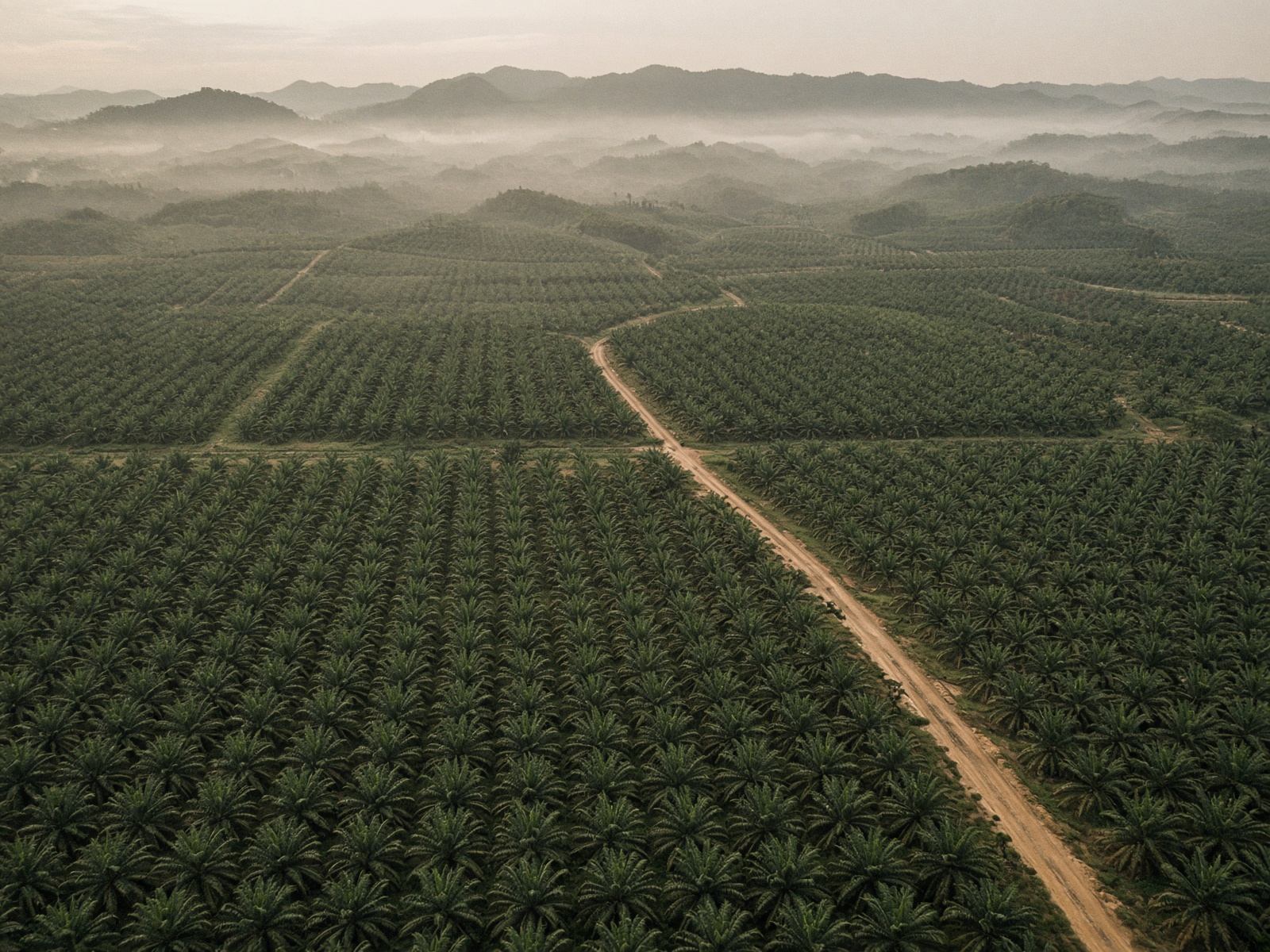
Palm oil
Plantation labour, smallholders, land, and the mills that sit between a fruit bunch and a European supermarket.
Business & Human Rights · Indonesia & Southeast Asia
We translate CSDDD, LkSG, UFLPA, and the UN Guiding Principles into practical protocols for Indonesian supply chains — so clients stay in the market, and workers and communities are not an afterthought.
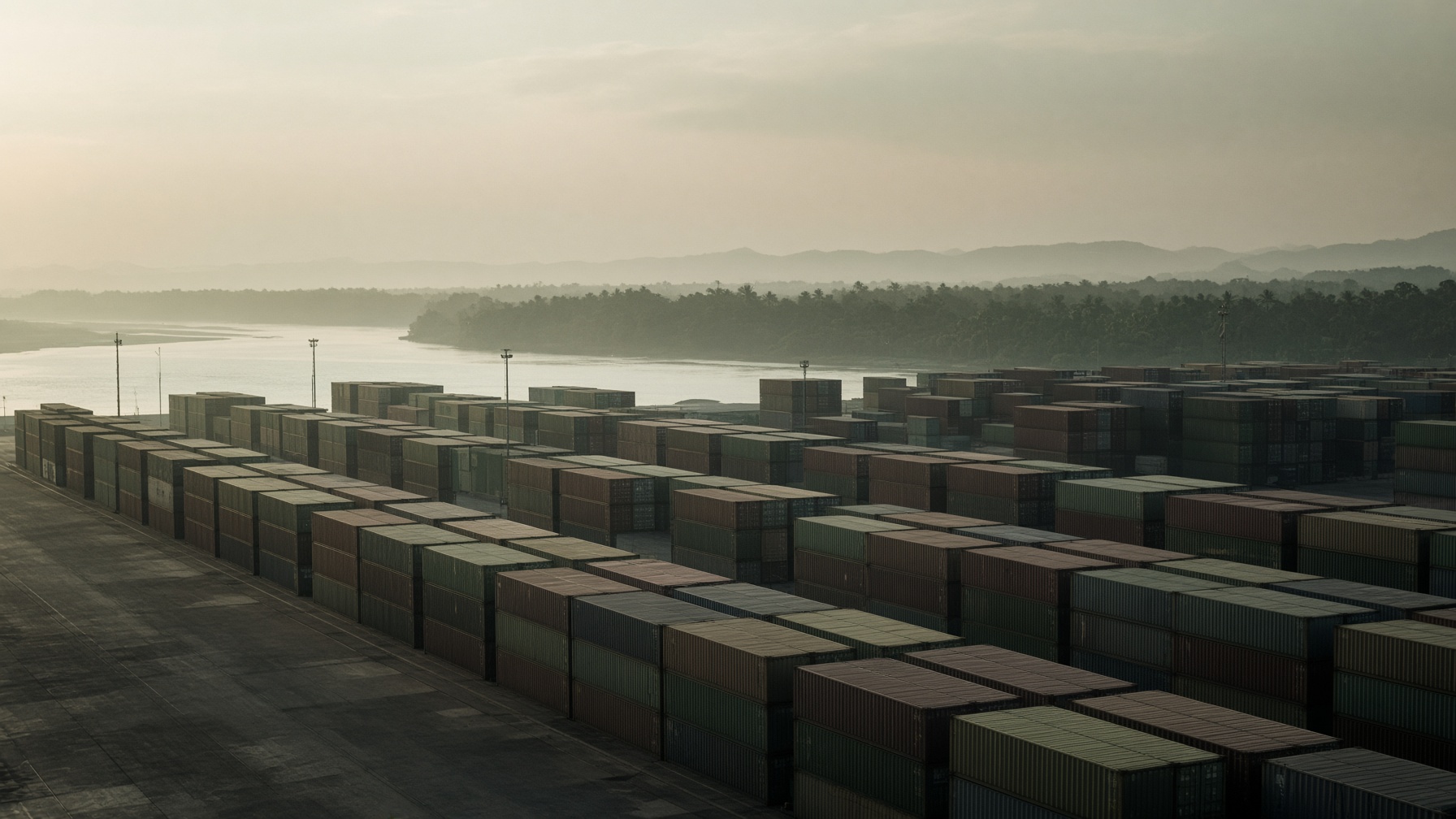
Working against
Productized deliverables
Services are packaged as outcome-based deliverables — so pricing is transparent, and so a buyer questionnaire never has to invent the work.
A clear picture of where you stand against the UNGPs and the regulations that now bind your buyers.
View engagementFind where human rights risk actually sits in the chain — then decide what to do about it.
View engagementBoard-ready human rights governance that procurement can actually operate.
View engagementIdentify actual and potential impacts of operations and projects — with affected people in the room, not only in a footnote.
View engagementChannels workers and communities will actually use — tested against the UNGP effectiveness criteria.
View engagementPrepare the evidence pack your EU, German, and US counterparties will ask for — before they ask.
View engagementWorkshops that leave procurement, legal, and plant leadership able to run due diligence — not just hear about it.
View engagementWhy this practice
Many firms approach Business & Human Rights from a single silo. We stand in the gap between Brussels text and a plantation, a mill, a vessel, a factory floor.
We do not only interpret law. We turn dense European regulations into protocols a procurement team and a site manager can run on Monday.
Labour dynamics, community relations, and the informal economy are not footnotes. They are usually where the risk actually sits — and where international auditors most often miss.
A sole practice: direct engagement, rapid pivots, no junior-leverage pyramid. When field work is needed, we contract trusted local researchers under this brand.
Where the risk concentrates
Plantation labour, smallholders, land, and the mills that sit between a fruit bunch and a European supermarket.
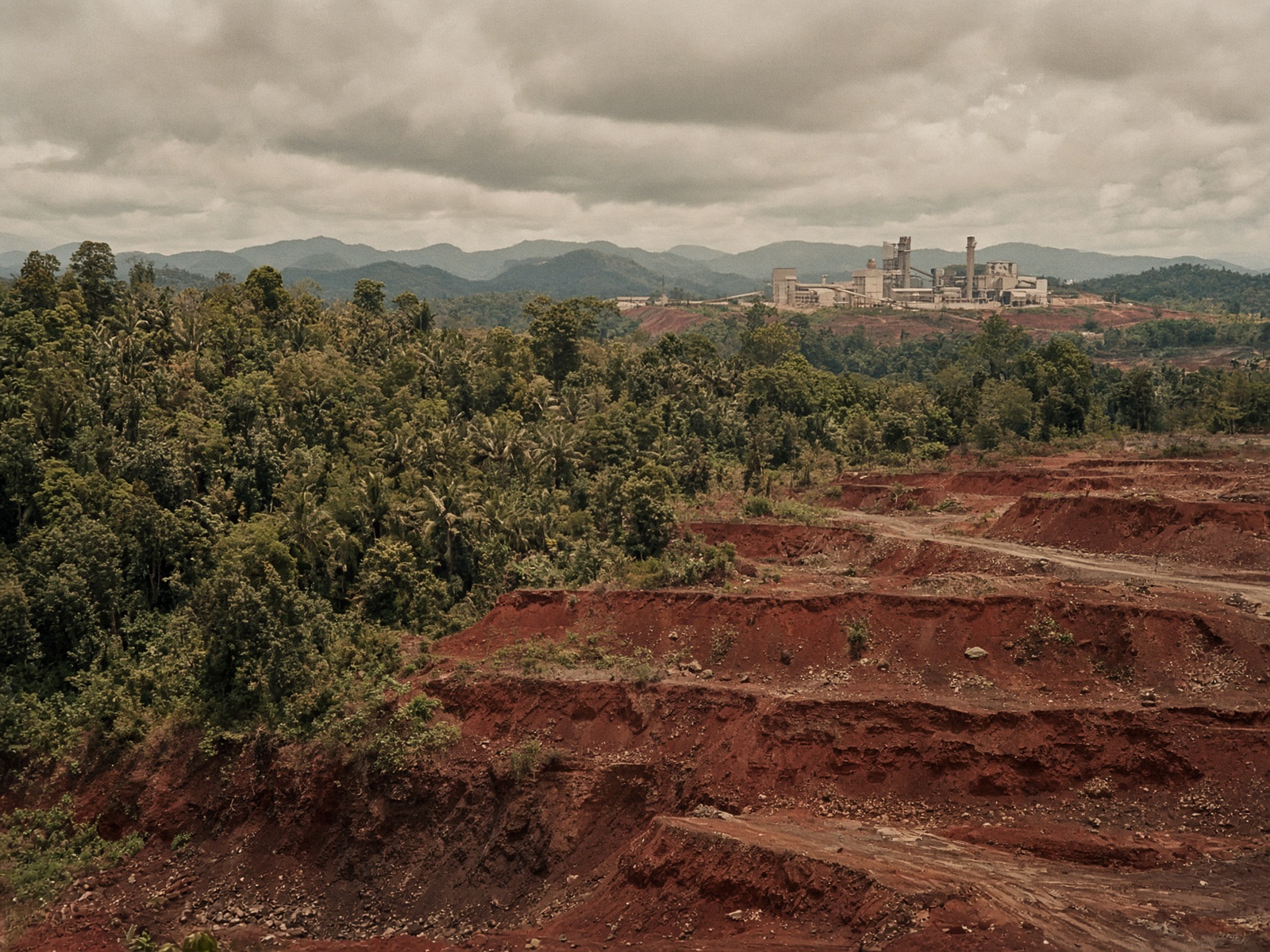
Nickel, tin, coal, and the industrial estates that now sit inside every EV and energy-transition story.

Overtime, freedom of association, contract labour, and the second-tier mills brands rarely visit.
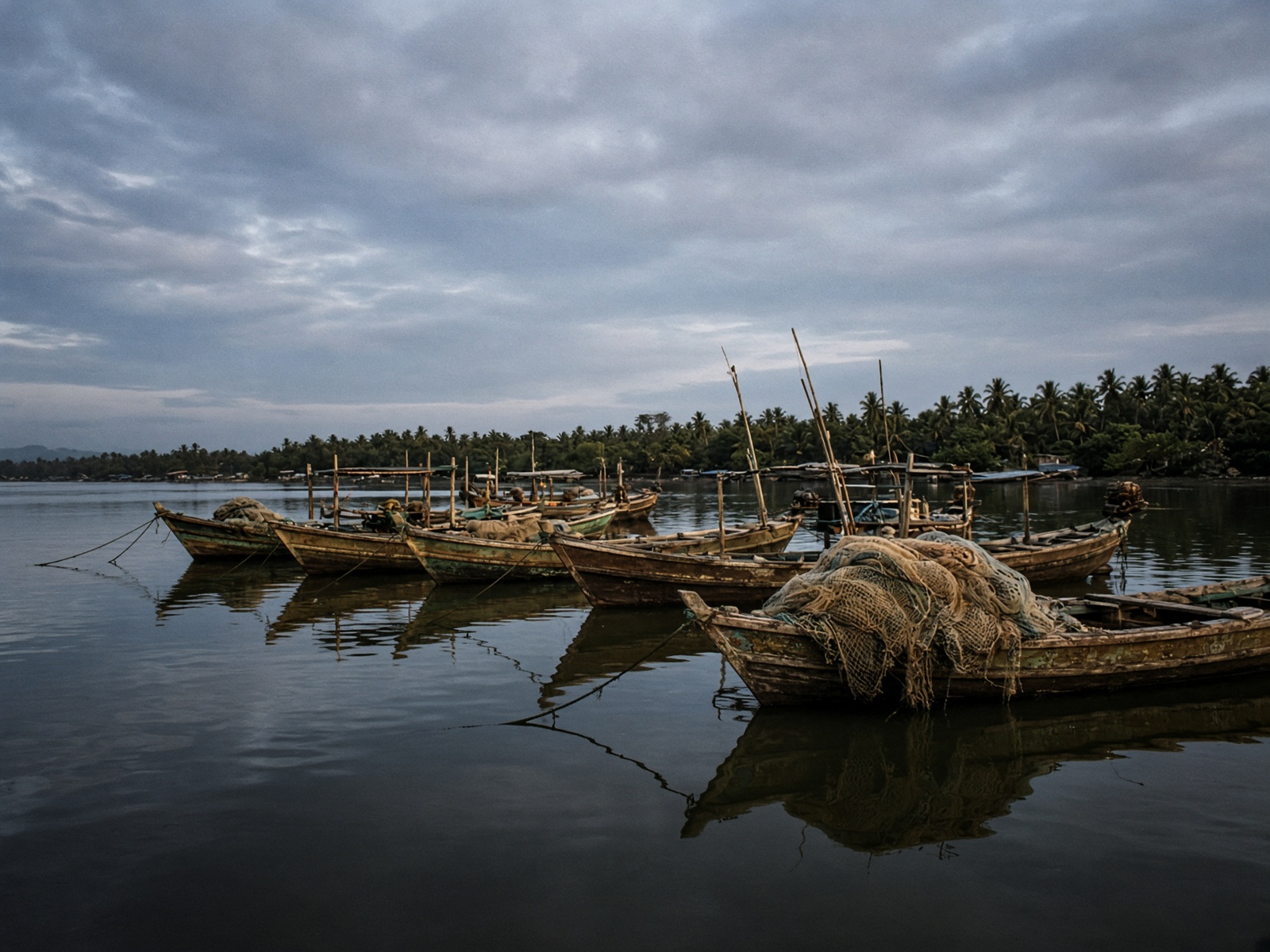
Forced labour on vessels, transshipment, and a catching sector that UFLPA and EU buyers now treat as high-risk by default.
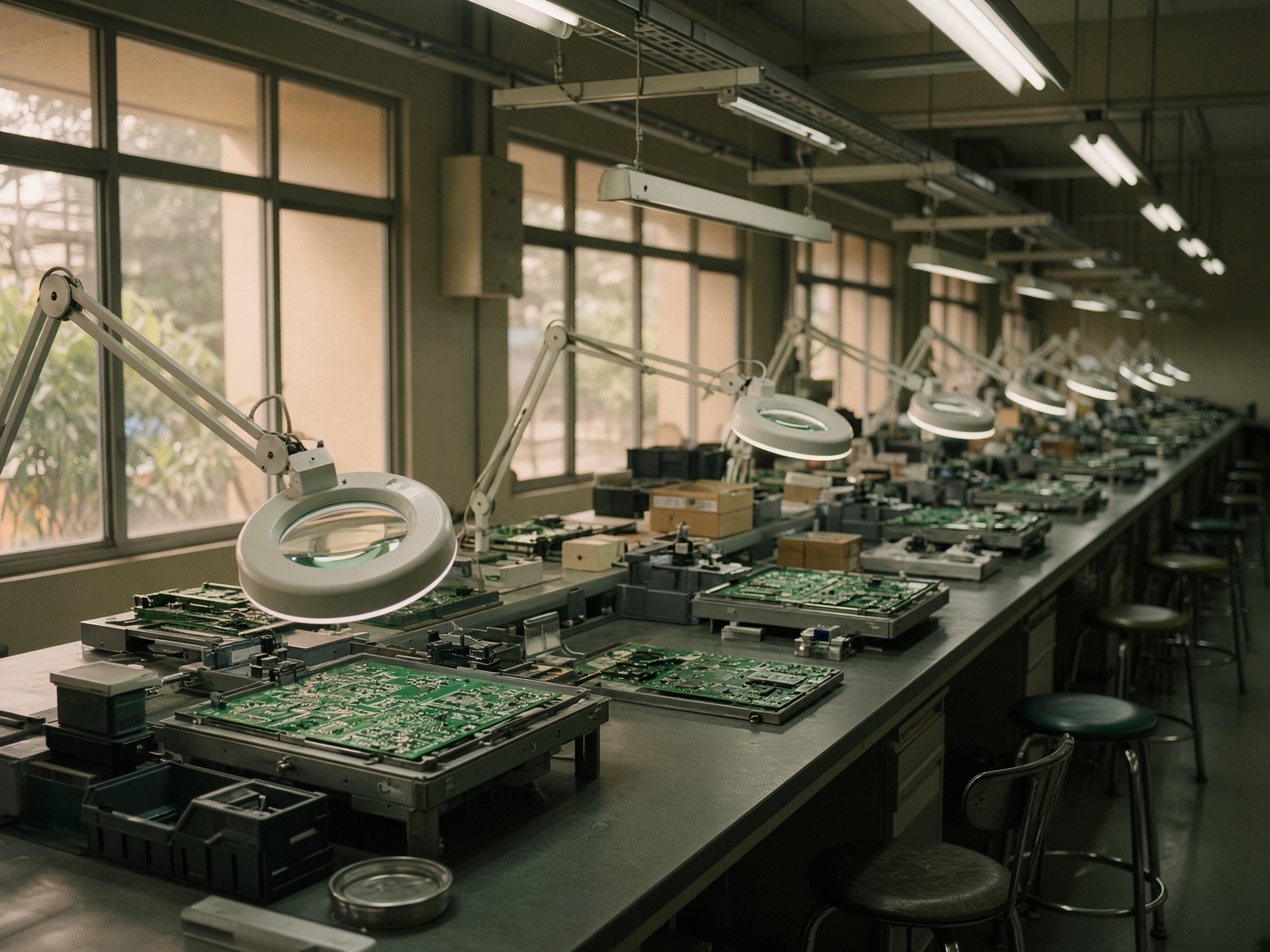
Contract manufacturing, migrant labour, and components that disappear into a bill of materials long before the brand.
Who we serve
Compliance that keeps the Western purchase order. Practical, not theatrical.
Under pressure from multinational brands to demonstrate human rights due diligence, not another certificate.
Aligning with global ESG standards because international capital now reads the human rights file.
Technical BHR implementation, and local delivery for software that still needs someone on the ground.
International NGOs, development agencies, and impact funds that need an implementation partner, not another study.
Resource center
Regulatory briefing
You do not have to be listed in Brussels to be in the file. A practical reading of cascade, evidence, and the twelve months that matter.
Implementation
The UNGP effectiveness criteria are not a poster. A practical design note for Indonesian operations — estates, mills, plants, and vessels.
Risk
UFLPA, the ILO indicators, and what they look like in palm, fisheries, nickel, and apparel — written for procurement and compliance, not for a conference.
If you export, or supply someone who does, human rights due diligence is now an operating system. We will tell you, plainly, where you stand.